Article about how APDA, along with other leading PD organizations, is urging U.S. Department of Health and Human Services (HHS) Secretary Robert F. Kennedy Jr. to move forward with implementation of the National Parkinson’s Project.
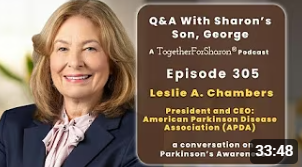
APDA President & CEO Leslie A. Chambers talks about her reflections on past WPC events, the benefits and importance of WPC, APDA’s organizational priorities and impactful resources, and so much more.
APDA’s President and CEO, Leslie A. Chambers, talks about PD awareness, research, the many ways APDA can help, and so much more in a discussion with George Ackerman.
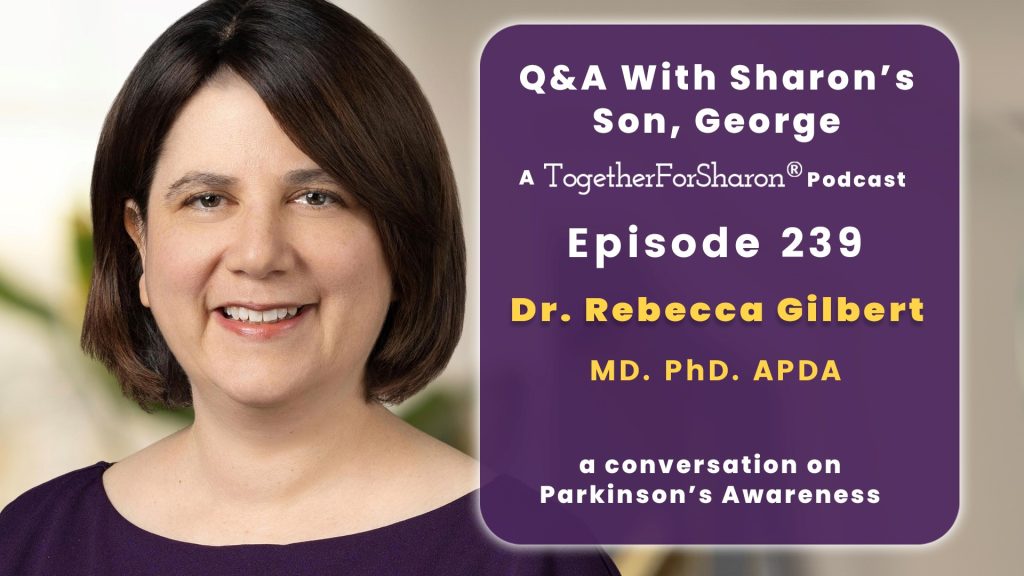
Dr. Rebecca Gilbert was a special guest on The Spark. During the conversation she spoke about the basics of Parkinson’s disease, the early signs and symptoms to look out for, the impact of PD on families, and more.
A recent study in the Journal of the American Medical Association has caused a stir, showing that living near golf courses is associated with an increased risk of Parkinson’s disease. Dr. Rebecca Gilbert comments on the implications of this study.
Dr. Rebecca Gilbert, APDA’s Chief Mission Officer, talks about the early signs of Parkinson’s disease, the non-motor symptoms of PD people should be aware of, and so much more, in a discussion with George Ackerman.
A growing body of research finds that regular physical activity — the kind that gets the body moving and the heart pumping — can significantly reduce the severity of PD symptoms and how fast they progress. Dr. Rebecca Gilbert comments on the importance of exercise and the benefits of movements that challenge your brain to think and learn, like dance.