



Hear from People with Parkinson’s About Staying Active
At the American Parkinson Disease Association (APDA), we know that some of the most powerful insights about Parkinson’s disease (PD) come from the people affected by it. Their perspectives – the challenges, victories, and hard-won wisdom – can be incredibly valuable to those on a similar path and others who want to learn more about PD.
With this knowledge, we were inspired to create Parkinson’s Perspectives, a blog series dedicated to sharing the real stories and lived experiences of people impacted by PD. For our first installment, we interviewed three people with young onset Parkinson’s disease who shared their unique perspectives on navigating PD at an earlier stage of life.
This time, we spoke with three inspiring people who are committed to staying active despite the challenges PD presents. Below, each interviewee shares the activities they love most and how they continue to do them – through perseverance, emotional support, or necessary adjustments – even on the hard days.
Note: Responses have been edited for clarity.
Meet Our Interviewees
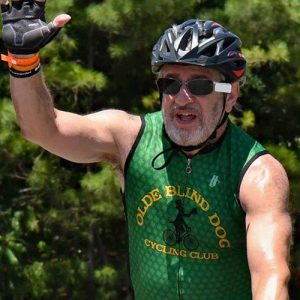
Dan Ben-David has been living with PD symptoms for more than 20 years and was officially diagnosed in his early 50s. A father of two adult children, he lives in Woodstock, Georgia, with his wife.
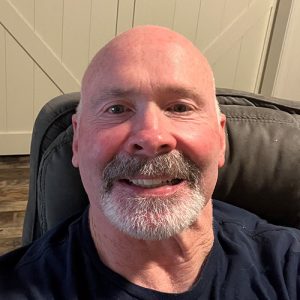
Dennis Miles has been living with PD symptoms for more than five years and was officially diagnosed in his early 60s. He is the father of two adult children and lives in Monroe, Georgia, with his wife.
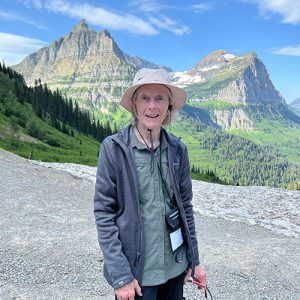
Diana Whited has been living with PD symptoms for over a decade and was officially diagnosed in her mid-60s. She is a mother of two and grandmother of five and lives in Des Moines, Iowa.
Staying Active in Daily Life
Q: What does “staying active” mean to you, and how does it show up in your daily life?
Dan: To me, staying active means keeping my momentum. With Parkinson’s, I’ve had to accept that things are not always going to go my way, and that progress is not always a straight line. Sometimes it is one step forward and two or three steps back. So I try to set the bar high, but I also accept that some days the best I can do is take small steps forward. In daily life, staying active means staying engaged, staying hopeful, and continuing to make choices that help me feel like myself. I try not to let Parkinson’s be the main story of my life. I choose my battles carefully, work around what my body is telling me, and keep moving in whatever way I can.
Dennis: Staying active has been part of who I am for a long time. In junior high and high school, I played football and baseball, and I started weight training around age 15 – and that mindset has stayed with me ever since. Now that I’m retired, staying active means keeping both my body and mind moving in a purposeful way. It gives structure to my day and helps me maintain a consistent routine. I lift weights about three days a week, do cardio through YMCA classes or similar programs another three days a week, and attend boxing classes at least once a week. I also have a home gym, which helps me stay on track when I can’t get out. I usually plan to work out first thing in the morning because I know that if I delay it, it may not happen. Over time, exercise has simply become part of my day.
Diana: Staying active means engaging in some sort of activity on a regular basis. These activities aren’t limited to physical movement; engaging the mind and participating in social interactions are also important. Staying engaged is so important for maintaining quality of life and helping manage PD symptoms. I am intentional about staying active and try to plan a mix of activities each week, including physical activities such as cardio, strength, balance, and gait exercises, as well as cognitive exercises and social connection.
Motivation and Balance
Q: What is the activity you love to do most? What keeps you coming back to that activity on days when it feels harder? When do you decide it’s better to rest instead?
Dan: Cycling is the activity I love most. I’ve been an athlete my whole life – running, swimming, surfing – but cycling is the activity that still gives me the best combination of movement, challenge, joy, and connection. I keep coming back because cycling makes me feel alive. It gives me goals, it gets me outside, and it connects me with other riders. Being part of a cycling group has been incredibly meaningful because I’m not just “a person with Parkinson’s” there. I’m part of a community of cyclists, and that sense of belonging keeps me going on the harder days.
I decide to rest when pushing through would do more harm than good. I’ve had injuries, surgeries, and setbacks, so I’ve learned that staying active also means being strategic. Rest is not quitting. Sometimes it is what allows me to come back.
Dennis: Weight training is the activity I’ve loved the longest. I’ve always been active through sports and exercise, but weightlifting is something I’ve consistently come back to because it gives me a sense of strength, control, and identity that I don’t want to lose.
What keeps me coming back is knowing how much better I feel afterward, both physically and mentally. It also helps that lifting has become part of who I am. I don’t have to talk myself into it every time – it’s just something I do. That said, I’ve also learned that discipline doesn’t always mean pushing through. Some days, the smarter choice is to back off, do less, or rest completely. I try to pay attention to what my body is telling me and think long term. The goal isn’t to prove something in one workout – it’s to keep moving consistently over time.
Diana: My favorite activity is walking – or hiking, if possible. I love being outdoors and exploring new places. Since my diagnosis, I’ve hiked the Appalachian Trail (70 miles in Georgia over seven days), the Grand Canyon, Big Bend National Park, Glacier National Park, Rocky Mountain National Park, the Canadian Rockies, and the Pyrenees in Spain.
On days when I don’t feel like I have the energy, I remind myself of the sense of accomplishment I usually feel afterward. Sometimes I make it a competition with myself – seeing how far I can go or how many steps I can take in a day. And sometimes Parkinson’s wins, and I give myself permission to modify my plans or take the day off. I may do a shorter hike or choose a less strenuous route, but I still try to stay connected to the activity. I find it’s easier to keep going when I’ve made plans to be active with friends.
Overcoming Barriers to Staying Active
Q: What kinds of challenges does Parkinson’s create for you when you’re trying to stay active, and how do you navigate them? Have you had to make any changes or adjustments in order to stay active?
Dan: Parkinson’s has affected my movement, coordination, stamina, and timing. At different points, I’ve had trouble holding onto handlebars, controlling my legs, typing, walking, and swimming. Medication timing also matters. If I’m not in the right “on” state, symptoms can start to interfere.
I navigate these challenges by adapting instead of stopping. I track my progress, pay attention to what my body can handle, and adjust my expectations when I need to. I’ve also had to work around orthopedic issues, including shoulder problems, a collarbone injury, and knee surgeries, so I choose lower-impact options that are more sustainable for me. Getting an e-bike was one important adjustment because it helped me keep riding with friends, stay connected to the cycling community, and enjoy the activity without turning every ride into a battle.
A major turning point for me was having deep brain stimulation (DBS) surgery nine years ago. DBS has helped me tremendously and, in many ways, gave me a second chance. It has allowed me to stay more active, keep doing the things I love, and continue pushing myself in ways that might not have been possible otherwise.
The biggest adjustment has been learning that I may not be as fast or as strong as I once was, but effort still counts. I may have to change the pace, the equipment, or the plan, but I keep looking for a way to stay in the game.
Dennis: Parkinson’s makes staying active more unpredictable. My biggest challenges are stiffness, fatigue, and brain fog. I can feel fine when I wake up, and then later in the day I may feel completely drained or foggy. I call those “sinking spells,” and they can make it hard to know what kind of day I’m going to have. Because of that, I’ve had to train smarter. I use lighter weights, rely more on machines, and focus on controlled yet explosive movements instead of max-effort lifting. I’m more intentional about balancing effort and recovery. I also try to work out earlier in the day before fatigue builds up. If I can’t make it to the gym, I use my home gym instead.
Diana: Parkinson’s has slowed my pace in many activities, especially walking and hiking. I tire more easily. I used to regularly walk 10Ks; now, most of the time, I do about 5Ks. This has been a challenge, and I’ve had to make adjustments. I plan more carefully so I have the energy for the things I value most, and I’ve learned to prioritize. I’ve also let go of some activities or made them less demanding. When I travel for hikes, I choose slower-paced trips and lower elevations because I don’t tolerate altitude as well as I used to. I also continue to push myself, but I try to be thoughtful about it. For me, it’s about striking a balance between what I want to do and what my body will allow me to do. I continue to gently push that boundary.
The Value of Support Systems
Q: How do the people around you—family, friends, or peers—support or influence your ability to stay active?
Dan: It takes a village. My wife is my biggest support – she inspires me to fight and be the best I can be. Friends have trained with me, joined me for events, tricked me into longer rides when I needed the push, and welcomed me into cycling groups. Riding with others – both people with PD and people without it – revived my competitive instinct and helped me feel like part of a normal community, not just someone with a disease.
Dennis: My wife has been a huge source of encouragement. She understands that exercise is something I need to do and respects the routine I’ve built. My daughters are also in my corner, and it helps knowing my family understands what I’m dealing with.
A big part of my motivation also comes from the people I’ve met through Parkinson’s exercise groups. Being around others who are going through similar challenges makes a huge difference. There’s an understanding there that you don’t always have to explain. We encourage each other, check in on each other, and help keep each other accountable.
Diana: My children have been supportive since day one. They continue to cheer me on and tell me how proud they are that I stay active. I also participate in a walking club where we combine exercise with friendship and social connection. We have monthly organized walks, and we also travel together for walking trips. The motto is “fun, fitness, and friendship,” and we truly support one another.
Advice for Staying Active with Parkinson’s
Q: What would you want other people with Parkinson’s to know about staying active, especially if they’re unsure where to begin?
Dan: Start with baby steps. Set the bar high, but don’t expect everything to go your way. There will be setbacks – sometimes one step forward and two or three steps back – but the effort counts. Choose something you enjoy, something sustainable, and something that fits your body and your risk tolerance. You don’t have to be a hero; you just have to keep fighting the good fight and keep moving in whatever way you can.
Dennis: I’d tell people to start where they are, not where they used to be. You don’t have to do anything extreme – just begin moving and build consistency over time. Staying active has made a huge difference for me. I truly believe that if I hadn’t kept exercising over the last several years, I’d be in much worse shape today. Exercise doesn’t cure Parkinson’s, but it helps me keep doing the things I want to do. I also think strength training is especially important. It helps with balance, mobility, and everyday tasks like getting up from a chair or moving around more easily. Cardio matters too, but strength training has been just as important for me.
Most importantly, learn to adapt. You may not do things the same way you used to, but that doesn’t mean you stop doing them. And if you can find a group – whether it’s boxing, a gym class, or other people with Parkinson’s – it makes staying active much easier.
Diana: I often tell people with PD how important it is to stay active to potentially slow disease progression. I know it’s been easier for me because I was already active before my diagnosis, but I am more intentional now and incorporate more variety into my routine. For those who are not currently active, I would suggest starting with something you think you might enjoy – or at least not dislike – and taking it slowly. If possible, find a friend or work with a trainer. Doing anything is always easier with company. As you build confidence, gradually add more activities. APDA is also great resources for finding exercise programs and support in your area. Most importantly, remember that you don’t have to do this alone—and that even small steps count.
Gratitude & Optimism
We are so grateful to Dan, Dennis, and Diana for sharing their insights and perspectives. Their openness and generosity in sharing their stories reminds us that while PD brings real challenges, it can also reveal resilience in powerful ways.
Tips & Takeaways
- Exercise may be one of the most powerful tools to fight some PD symptoms and potentially slow disease progression. APDA’s Be Active & Beyond exercise guide is a great place to start.
- Find ways to stay active and connect with others by reaching out to an APDA Chapter, visiting our Virtual Events Calendar, or contacting APDA at apda@apdaparkinson.org.
- Want to get to know more inspiring people with PD who are continuing to do the things they love? Check out our new public service announcement and meet the cast members at www.apdaparkinson.org/psa.
- Stay tuned the next installment of our new Parkinson’s Perspectives blog series!