




Speakers
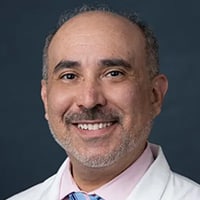
Dr. Peter M. Abadir, MD
Johns Hopkins University
Peter M. Abadir, MD is Professor of Medicine in the Division of Geriatric Medicine and Gerontology at Johns Hopkins University, with a joint appointment in Electrical and Computer Engineering at the Whiting School of Engineering. He is Co-Principal Investigator of the Johns Hopkins Artificial Intelligence and Technology Collaboratory for Aging Research, where he helps lead interdisciplinary efforts to develop and clinically validate AI and emerging technologies that support the health and independence of older adults. His work bridges geriatrics, engineering, and translational science, with particular interests in frailty, cognitive decline, resilience, and technology-enabled approaches to healthy aging. He also directs the Johns Hopkins GeroTech Incubator Program, which brings together clinicians, engineers, and innovators to develop practical solutions for challenges affecting older adults.
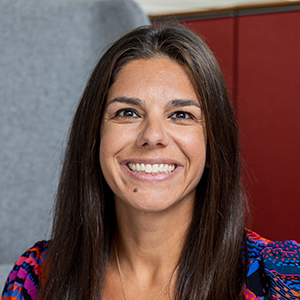
Dr. Jamie Adams, MD
University of Rochester
Jamie Adams, MD is Associate Professor of Neurology and the David M. Levy Professor in Neurology at the University of Rochester, where she also serves as Chief of the Movement Disorders Division and Associate Director of the Center for Health + Technology. Her research focuses on the use of digital health technologies, including wearable sensors, smartphone applications, telemedicine, and other digital tools, to improve research and care for people with Parkinson’s disease and other neurodegenerative disorders. She is particularly interested in developing meaningful digital outcome measures for clinical trials and ensuring these technologies reflect the symptoms and priorities that matter most to patients.
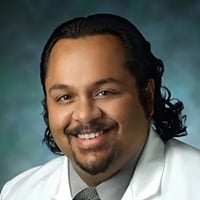
Dr. Ankur Butala, MD
Johns Hopkins University
Ankur Butala, MD is Associate Professor of Clinical Neurology and Associate Professor of Psychiatry and Behavioral Sciences at Johns Hopkins University School of Medicine. Dual-trained in neurology and psychiatry, he specializes in the care of people with Parkinson’s disease, movement disorders, and complex neuropsychiatric conditions. His research focuses on neuromodulation, digital biomarkers, and the application of artificial intelligence and machine learning to improve the detection, diagnosis, and monitoring of neurological disorders. Dr. Butala collaborates with researchers at the Johns Hopkins Whiting School of Engineering to develop multimodal approaches integrating speech, eye movements, handwriting, and gait to characterize movement disorders and track disease progression.
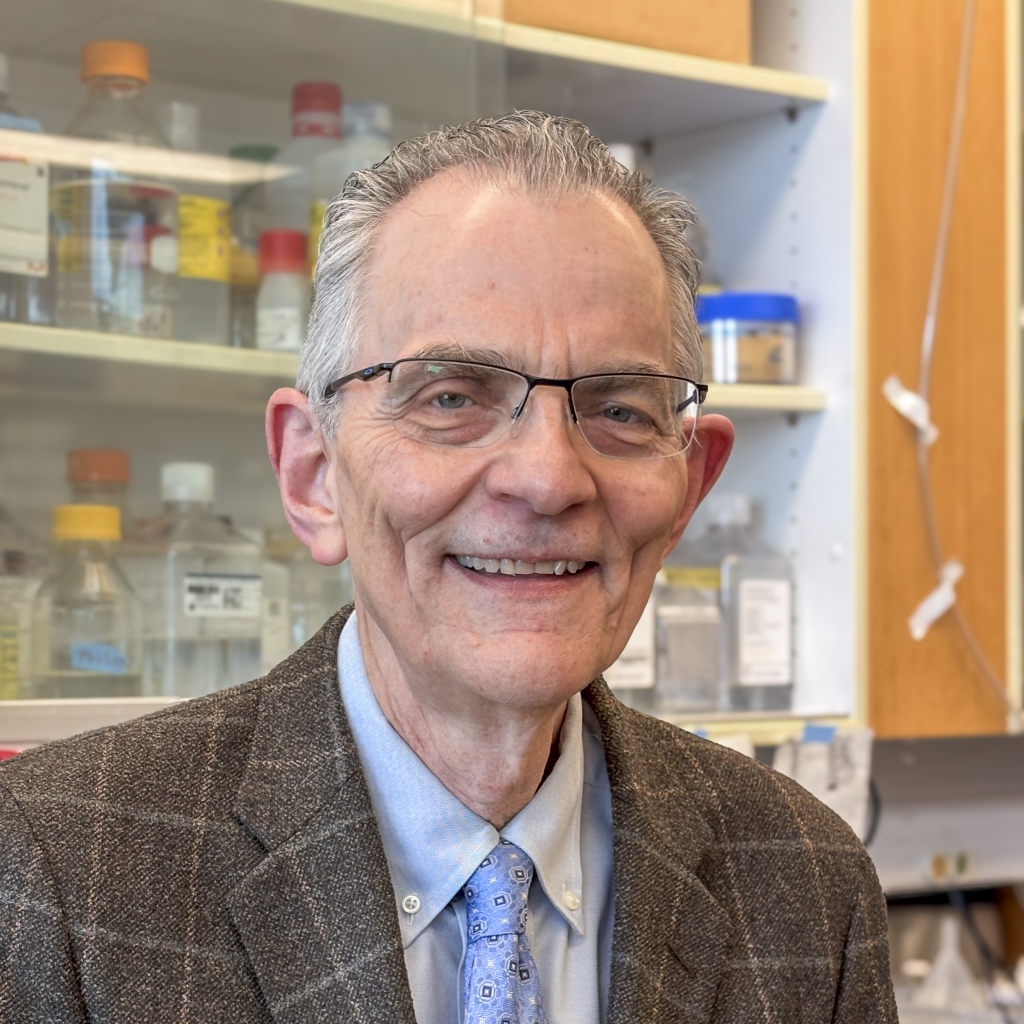
Dr. Ted M. Dawson, MD, PhD
Johns Hopkins University School of Medicine
Ted M. Dawson, MD, PhD is the Leonard and Madlyn Abramson Professor in Neurodegenerative Diseases and Director of the Institute for Cell Engineering at the Johns Hopkins University School of Medicine, where he is also Professor of Neurology, Neuroscience, and Physiology, Pharmacology & Therapeutics. His research focuses on the molecular mechanisms underlying neurodegeneration, with a particular emphasis on Parkinson’s disease. Dr. Dawson’s laboratory has made pioneering discoveries in neuronal cell death pathways, including the identification of parthanatos, and his work continues to advance the development of disease-modifying therapies for Parkinson’s disease and other neurodegenerative disorders. He is an elected member of the National Academy of Medicine and a Fellow of the National Academy of Inventors.
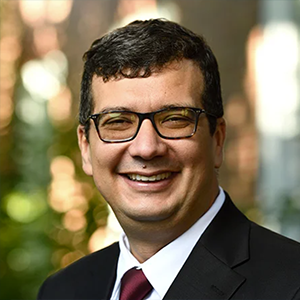
Dr. Najim Dehak, PhD
Johns Hopkins University
Najim Dehak, PhD is Associate Professor of Electrical and Computer Engineering at Johns Hopkins University. His research focuses on machine learning, speech processing, audio analysis, and artificial intelligence for healthcare applications. He is internationally recognized for developing the i-vector representation for speaker recognition, a foundational method that has had a lasting impact on the field of speech processing. Dr. Dehak’s current work applies multimodal AI approaches to digital health, including the use of speech and behavioral biomarkers to improve the diagnosis, monitoring, and management of neurological disorders such as Parkinson’s disease. He is a Senior Member of the IEEE and serves on the IEEE Speech and Language Technical Committee.
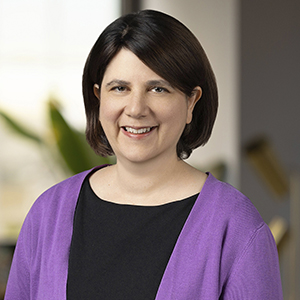
Dr. Rebecca Gilbert, MD, PhD
American Parkinson Disease Association
Rebecca Gilbert, MD, PhD is Chief Mission Officer at the American Parkinson Disease Association (APDA) and a movement disorders neurologist. She oversees APDA’s mission strategy, research portfolio, and scientific and medical initiatives, while providing clinical expertise to support the organization’s educational programs and resources. Prior to joining APDA in 2018, Dr. Gilbert was Associate Professor of Neurology at the Fresco Institute for Parkinson’s and Movement Disorders at NYU Langone Medical Center, where she cared for patients at both NYU Langone and Bellevue Hospital Center. She continues to maintain an active clinical practice caring for people living with Parkinson’s disease.
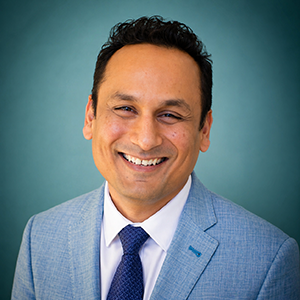
Dr. Ehsan Hoque, PhD
University of Rochester
Ehsan Hoque, PhD is Professor of Computer Science at the University of Rochester, where he co-directs the Rochester Human-Computer Interaction (ROC HCI) Lab. His research develops artificial intelligence systems that analyze speech, facial expression, and movement to support healthcare and clinical decision-making. His work includes PARK, an AI-powered system that enables remote Parkinson’s disease screening using a standard webcam and is currently undergoing FDA De Novo review. Dr. Hoque previously served as co-Principal Investigator of the NIH Udall Center of Excellence for Parkinson’s Disease Research and as Chief Scientist at the Saudi Data and AI Authority (SDAIA). He is the recipient of numerous honors, including the Presidential Early Career Award for Scientists and Engineers (PECASE), and is an AIMBE Fellow and ACM Distinguished Member.
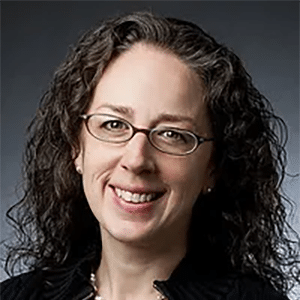
Dr. Debra JH Mathews, Ph.D., M.A
Johns Hopkins Berman Institute of Bioethics
Johns Hopkins School of Medicine
Dr. Debra JH Mathews, Ph.D., M.A., is the Assistant Director for Science Programs for the Johns Hopkins Berman Institute of Bioethics, and an Associate Professor in the Department of Genetic Medicine, Johns Hopkins School of Medicine.
Dr. Mathews earned her Ph.D. in genetics from Case Western Reserve University, as well as a concurrent Master’s in bioethics. She completed a Post-Doctoral Fellowship in genetics at Johns Hopkins, and the Greenwall Fellowship in Bioethics and Health Policy at Johns Hopkins and Georgetown Universities. In addition to her academic work, Dr. Mathews has spent time at the Genetics and Public Policy Center, the US Department of Health and Human Services, the Presidential Commission for the Study of Bioethical Issues, and the National Academy of Medicine working in various capacities on science policy.
Dr. Mathews’s academic work focuses on ethics and policy issues raised by emerging technologies, with a particular focus on genetics, stem cell science, neuroscience, synthetic biology, and artificial intelligence.
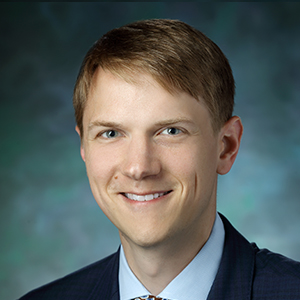
Dr. Kelly Mills, MD, MHS
Johns Hopkins University School of Medicine
Kelly Mills, MD, MHS is Associate Professor of Neurology at the Johns Hopkins University School of Medicine, where he serves as Director of the Movement Disorders Division, Director of the Neuromodulation and Advanced Therapies Clinic, and Medical Director of the Parkinson’s Foundation Center of Excellence. His clinical and research interests focus on Parkinson’s disease, deep brain stimulation (DBS), and other advanced therapies for movement disorders. Dr. Mills studies human brain neurophysiology through intraoperative recordings and collaborates with neurosurgeons and engineers to develop next-generation neuromodulation technologies. His research also examines the neural mechanisms underlying cognitive dysfunction in Parkinson’s disease and how advanced therapies may improve both motor and non-motor symptoms.
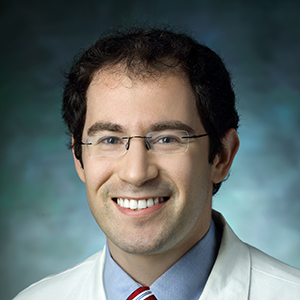
Dr. Alexander Pantelyat, MD, FAAN
Johns Hopkins University School of Medicine
Alexander Pantelyat, MD, FAAN is Associate Professor of Neurology at the Johns Hopkins University School of Medicine, where he is Founder and Director of the Johns Hopkins Atypical Parkinsonism Center and Co-Founder and Director of the Johns Hopkins Center for Music and Medicine. His clinical and research interests focus on atypical parkinsonian disorders, cognitive aspects of movement disorders, and music-based rehabilitation for neurodegenerative diseases. His NIH- and Department of Defense-funded research investigates fluid, imaging, and digital biomarkers to improve the diagnosis and prognosis of Parkinson’s disease and related disorders. Dr. Pantelyat also serves as Co-Chair of the Parkinson Study Group’s Atypical Parkinsonism Working Group, Co-Chair of the International Parkinson and Movement Disorder Society’s Multiple System Atrophy Study Group, and a Steering Committee member of its Progressive Supranuclear Palsy Study Group.
Dr. Galina Reitz, PhD
University of Maryland
Galina Reitz, PhD is Director of the Master of Science in Human-Computer Interaction (HCIM) program at the University of Maryland and Associate Director for Higher Education with the Maryland Initiative for Digital Accessibility (MIDA). Her research focuses on human-centered computing, accessible interface design, and the development of inclusive technologies for individuals with disabilities. She has led numerous initiatives in digital accessibility, patient-centered design, and experiential learning, including accessibility hackathons and design sprints. Her current work explores AI-driven technologies to support people living with Parkinson’s disease, including virtual agents designed to assist with physical therapy and improve access to care. Dr. Reitz is committed to advancing equitable, user-centered approaches to health technology and digital innovation.
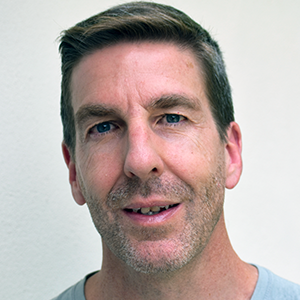
Dr. Clemens Scherzer, MD
Yale School of Medicine
Clemens Scherzer, MD is the Stephen & Denise Adams Professor of Neurology at Yale School of Medicine and Director of the Stephen & Denise Adams Center for Parkinson’s Disease Research and the APDA Center for Advanced Research. He also serves as Professor of Neurology and Genetics and Academic Chief of the Division of Movement Disorders. Dr. Scherzer’s research focuses on precision medicine for Parkinson’s disease, integrating genomics, biomarkers, and artificial intelligence to better understand disease progression, identify therapeutic targets, and develop personalized approaches to care. He directs the Yale Harvard Biomarkers Study, one of the world’s largest longitudinal Parkinson’s disease biobanks, and has played a leading role in several national Parkinson’s research initiatives, including the Harvard Biomarkers Study, the NIH Parkinson’s Disease Biomarkers Program, and the Accelerating Medicines Partnership for Parkinson’s Disease.
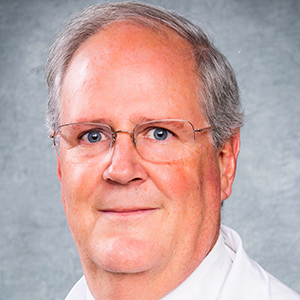
Dr. David Standaert, MD, PhD
University of Alabama at Birmingham
David Standaert, MD, PhD is the John N. Whitaker Professor and Chair of the Department of Neurology at the University of Alabama at Birmingham (UAB), where he is also a senior member of the Division of Movement Disorders. An internationally recognized clinician-scientist, his research focuses on the mechanisms, diagnosis, and treatment of Parkinson’s disease and other movement disorders. Dr. Standaert serves as Chairman of the Scientific Advisory Board of the American Parkinson Disease Association and is Deputy Editor of Movement Disorders. He is also a member of the inaugural Advisory Council on Parkinson’s Research, Care, and Services, established under the National Parkinson’s Plan, helping to shape national priorities for Parkinson’s research and care.
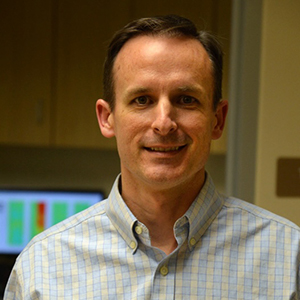
Dr. David Vaillancourt, PhD
University of Florida
David Vaillancourt, PhD is the Orchid Chair Distinguished Professor of Applied Physiology and Kinesiology at the University of Florida, with joint appointments in Biomedical Engineering and the Fixel Institute for Neurological Disorders. His research focuses on developing advanced neuroimaging, machine learning, and translational biomarkers to improve the diagnosis and monitoring of Parkinson’s disease and related neurodegenerative disorders. His laboratory integrates multimodal imaging with computational approaches to accelerate the development of imaging-based diagnostics and outcome measures. An internationally recognized leader in neuroimaging and Parkinson’s disease research, Dr. Vaillancourt has received continuous NIH funding since 1999 and has authored more than 200 peer-reviewed publications.
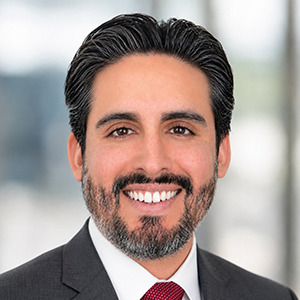
Dr. Joaquin A. Vizcarra, MD, MSTR
University of Cincinnati
Joaquin A. Vizcarra, MD, MSTR is Assistant Professor in the Department of Biostatistics, Health Informatics and Data Sciences, with a secondary appointment in the Department of Neurology at the University of Cincinnati. He serves as Lead of AI-Enabled Clinical Research and directs the Clinical Intelligence Lab. His research focuses on using artificial intelligence, longitudinal clinical data, and digital health technologies to better understand and predict the progression of Parkinson’s disease. Dr. Vizcarra develops prognostic models, digital outcome measures, and methods to transform clinical data into actionable
This conference is a partnership between APDA and Johns Hopkins Artificial Intelligence and
Technology Collaboratory (AITC) for Aging Research